

Most advice around hot pilates toronto is backwards. People talk about it like it’s a magic fat-loss fix, a muscle-building shortcut, and a recovery session all at once. It isn’t.
Hot pilates can be useful. For the right person, it’s a solid tool for core endurance, body awareness, mobility under heat, and getting a hard-feeling session without joint-pounding impact. But if your main goal is body composition, especially losing fat while keeping muscle or building visible muscle, it should support a structured strength plan, not replace one.
Busy professionals get this wrong all the time. They chase the class that leaves them drenched, assume sweat equals results, and then wonder why their body composition barely changes. Sweat tells you you’re hot. It doesn’t tell you you’re progressing.
Why Everyone in Toronto is Talking About Hot Pilates
The buzz is real. Toronto didn’t randomly decide to obsess over pilates. Demand has surged, studio supply has expanded fast, and the format has gone mainstream in boutique fitness. Fleet Street’s coverage of Toronto’s pilates trend cites an 84% increase in pilates bookings across ClassPass in 2024, while Toronto studio offerings grew from 17% in 2021 to 45% in 2025. The same report notes that pilates is now the most prevalent boutique workout in Toronto, available in 40% of studios.

That popularity doesn’t automatically make it the best option for your goals.
Why the hype is easy to understand
Hot pilates checks a lot of boxes for downtown professionals. It feels efficient. It’s low-impact. It looks athletic without feeling intimidating in the same way a barbell room can. It also fits the current preference for training that feels sustainable instead of punishing.
A lot of people also want “hard” without heavy loading. Hot pilates delivers that. You get heat, a strong sweat response, a serious core challenge, and the sense that you’ve done something demanding.
Hot pilates is popular because it feels productive fast. That’s not the same as being the best tool for changing your body.
What a coach actually cares about
I care less about trends and more about transfer. Does the training improve strength, muscle retention, movement quality, recovery, and adherence? Does it fit into a week that a real person can sustain?
That’s the filter you should use too. If you enjoy classes and need coaching, group structure, and momentum, that matters. If you also want a more results-focused training framework, group training in Toronto that prioritises measurable progress makes more sense than chasing novelty every few months.
Hot pilates toronto is worth understanding. It’s just not the miracle some people want it to be.
What Is Hot Pilates and How Does It Work
Hot pilates is pilates done in a heated room. In Toronto, that usually means about 95°F (35°C). The point of the heat isn’t just to make you sweat. It changes how the session feels and how your body responds. According to Solis Movement’s hot pilates overview, that environment can increase muscle elasticity and boost calorie expenditure by roughly 10 to 15% per session compared with standard-temperature Pilates, while also requiring tighter hydration management.
What the heat is actually doing
Think of it as pre-heating the system. Warmer tissues usually move more easily, so many people feel looser sooner in class. That can make core work, spinal articulation, and controlled mobility drills feel smoother than they would in a cooler room.
The heat also raises the session’s cardiovascular feel without adding external load. That matters because a lot of hot pilates classes create a hard internal demand through tempo, density, and room conditions instead of through barbells, dumbbells, or machines.
Here’s the practical breakdown:
- More mobility early in class. Many people can access positions faster once they’ve warmed up in the heated room.
- Higher perceived effort. The room makes moderate work feel more taxing.
- More sweat, more hydration demand. If you show up under-hydrated, the class gets ugly fast.
- Less joint pounding. You can work hard without a lot of impact.
What it does well and what it doesn’t
Hot pilates is good at building control, trunk endurance, positional awareness, and tolerance for longer tension-based efforts. It can also be a useful option for people who hate traditional cardio but still want a conditioning effect.
It is not the best method for progressive strength development. It also isn’t the most efficient standalone plan for muscle gain.
Practical rule: If your goal is visible body composition change, use hot pilates for movement quality and conditioning. Use resistance training for the heavy lifting, literally.
A lot of clients also confuse “intense” with “high quality”. That’s where understanding exercise intensity and how it affects results helps. Heat increases the feeling of effort. That doesn’t guarantee the training dose is ideal for your actual goal.
Your First Hot Pilates Class From Warm-up to Cooldown
Your first class usually feels harder before it starts than after. You walk into the room and the heat hits you immediately. If you’re used to lifting in a regular gym, the environment is the first adjustment, not the exercises.

Many Toronto classes run as 45-minute circuits with isometric holds such as 30 to 45 second planks mixed with 10 to 20 second dynamic transitions. That structure is designed to manage fatigue in a hot room while keeping the session challenging.
The first ten minutes
Expect a gradual build, not a sprint. Most instructors start with breathing, bracing, core activation, and simple patterns that let you adjust to the room. First-timers often make mistake number one here: they tense everything, rush everything, and treat the warm-up like filler.
Don’t. The early part of class tells you how your body is handling the heat that day.
If you’re newer to controlled movement work, it helps to understand a few mobility exercises for beginners before you walk in. The better you can control your ribs, pelvis, and breathing, the more you’ll get out of the class.
The middle of class
This is usually where the work bites. You’ll hit repeated core patterns, glute work, side-body sequences, pulse reps, holds, and transitions that look simple until the room and fatigue start stacking up. The challenge isn’t complexity. It’s precision under discomfort.
Expect cues like these:
- Brace before you move. Not after.
- Slow the lowering phase. Don’t drop through it.
- Keep the ribs down. Stop flaring to fake range.
- Shorten the range if your form slips. Bigger isn’t better.
Here’s a useful visual before your first session:
The final stretch
The last part of class often feels like the longest. That’s where your core and stabilisers are tired, sweat is pooling, and concentration starts dropping. Good instructors dial the tempo down and finish with controlled lengthening, breathing, and cooldown work.
If you feel wrecked halfway through your first class, that’s normal. If your form falls apart and you keep forcing reps, that’s not toughness. That’s bad judgement.
Bring water. Eat sensibly beforehand. Don’t treat your first class like a fitness test.
How Hot Pilates Compares to Strength Training and Hot Yoga
Hot pilates sits in an awkward middle lane. It’s more strength-oriented than hot yoga, but it doesn’t deliver the same progressive overload as proper resistance training. That’s why people get confused about where it belongs.
If your goal is body composition, stop asking which workout feels hardest and start asking which one drives the adaptation you need.

The blunt comparison
Hot yoga is mainly flexibility, tolerance for heat, and mindfulness with some strength demands depending on the class style. Standard pilates gives you control, posture work, and core-focused movement without the added heat stress. Hot pilates adds heat and usually more athletic pacing. Strength training is the only one of the four that lets you systematically load tissues enough to drive reliable strength and muscle progress over time.
| Modality | Primary Goal | Main Benefit for Body Composition | Best For |
|---|---|---|---|
| Hot Pilates | Core endurance, control, low-impact conditioning in heat | Helpful support tool for training volume, movement quality, and adherence | People who enjoy classes, want a hard low-impact session, and need variety |
| Hot Yoga | Mobility, balance, breath control, relaxation | Limited direct effect unless it improves consistency and recovery habits | Stressed professionals, people prioritising flexibility and mental reset |
| Standard Pilates | Trunk control, posture, precision, movement quality | Useful for improving mechanics and body awareness | Beginners, rehab-minded clients, people needing low-impact technical work |
| Strength Training | Progressive overload for strength and muscle retention or growth | Best direct driver of muscle gain and body composition change | Anyone serious about fat loss with muscle retention, strength, and measurable progress |
What I recommend for serious results
If you want visible changes, strength training should lead. That means planned exercises, repeatable loading, progression, recovery, and nutrition that supports the work. Hot pilates can help, but it shouldn’t be the main event.
A simple rule works well with most clients:
- Choose strength training first if your main goal is fat loss with muscle retention.
- Use hot pilates second if you need a class you will commit to attending and it improves consistency.
- Use hot yoga strategically if stress, stiffness, and poor recovery are getting in the way.
To keep yourself honest, it helps to evaluate your strength score against objective standards instead of guessing based on how hard a class feels.
Sweat is not a strength metric. Load, reps, quality, and progression are.
If you want the adaptation list that matters most for long-term body composition, read more on the benefits of weight training. That’s the category hot pilates doesn’t replace.
Finding a Quality Hot Pilates Studio in Toronto
Many choose a studio for the wrong reasons. They pick the closest one, the prettiest one, or the one with the best social media. None of that tells you whether the coaching is good.
Toronto pricing gives you a realistic frame for the market. According to Mariana Tek’s pilates trends reporting, unlimited monthly pilates memberships averaged C$174 in 2025, and individual classes averaged $25 per session, carrying a 29% price premium over other boutique fitness classes. Despite that, classes maintained a 65% average fill rate, which tells you demand is strong.

What to check before you buy a package
Price matters, but coaching quality matters more. In a heated room, weak instruction gets exposed fast.
Use this checklist:
- Instructor cueing. Can the coach explain breathing, bracing, and alignment clearly? If every cue is just “pulse” and “push”, that’s not enough.
- Modification quality. Good studios scale exercises up and down without making beginners feel lost.
- Ventilation and room management. Heat is fine. Stale, stuffy air and sloppy class flow are not.
- Class level clarity. If every class is sold as all-levels, ask what that means.
- Equipment and hygiene. Mats, props, floors, and shared touchpoints should be clean and well-managed.
Green flags and red flags
A strong studio usually has instructors who watch the room, correct positions, and know when someone should reduce range or rest. You should hear technique-based coaching, not just motivational noise.
Red flags are easy to spot too:
- No form correction
- No onboarding for first-timers
- Crowded classes where nobody can move properly
- A room that feels dirty by the middle of class
- Programming that’s random every session with no clear training logic
If you’re comparing options across the city, a broader guide to the best gyms in Toronto can help you think beyond branding and focus on coaching standards.
A studio isn’t high quality because it’s trendy. It’s high quality if the instructor can keep beginners safe, challenge experienced clients, and maintain standards when the room gets hot and messy.
Pay for coaching, not aesthetics.
Integrating Hot Pilates into Your Fitness Routine
Here’s the simplest answer. If you like hot pilates toronto, keep it in your week. Just stop pretending it can do every job.
With most clients, hot pilates works best as a supplement. It fits well for people who sit a lot, feel stiff, enjoy coached classes, and need a lower-impact training day that still feels demanding. It also works for lifters who need better trunk control, more movement variability, and a break from constant loading.
When it fits well
Hot pilates usually earns its place when you already have structured resistance training in place. In practice, that means your week revolves around strength sessions, and hot pilates fills a support role.
A useful setup for many busy adults looks like this:
- Two or three strength sessions as the priority
- One hot pilates class for core endurance, mobility, and conditioning
- Optional easy walking or low-intensity activity for recovery and daily movement
If you recover well and enjoy it, some people can handle a second class. But if performance in your strength sessions drops, you’ve gone too far.
Who should not build their plan around it
If your goal is significant fat loss, visible muscle gain, or getting objectively stronger, don’t build your whole week around hot pilates. You need progressive overload, enough protein, sensible calories, and recovery that supports adaptation. Class-based fatigue without a progression model is not the same thing.
You also need to respect recovery basics. Heat adds stress. Poor sleep, low protein, aggressive dieting, and dehydrated workouts are a bad mix.
A few practical rules:
- Keep protein high enough to support recovery. Don’t leave it to chance.
- Don’t stack hot pilates before heavy lower-body training if your legs and trunk need to perform.
- Hydrate on purpose, not reactively halfway through class.
- Clean your mat properly if you bring your own. A practical guide on disinfecting your yoga mat is worth following because hot, sweaty classes are not the place to get lazy about hygiene.
Your next step is simple. Keep hot pilates if you enjoy it and it helps you stay consistent. But anchor your plan around strength training, adequate protein, sensible calorie intake, and recovery you can repeat every week.
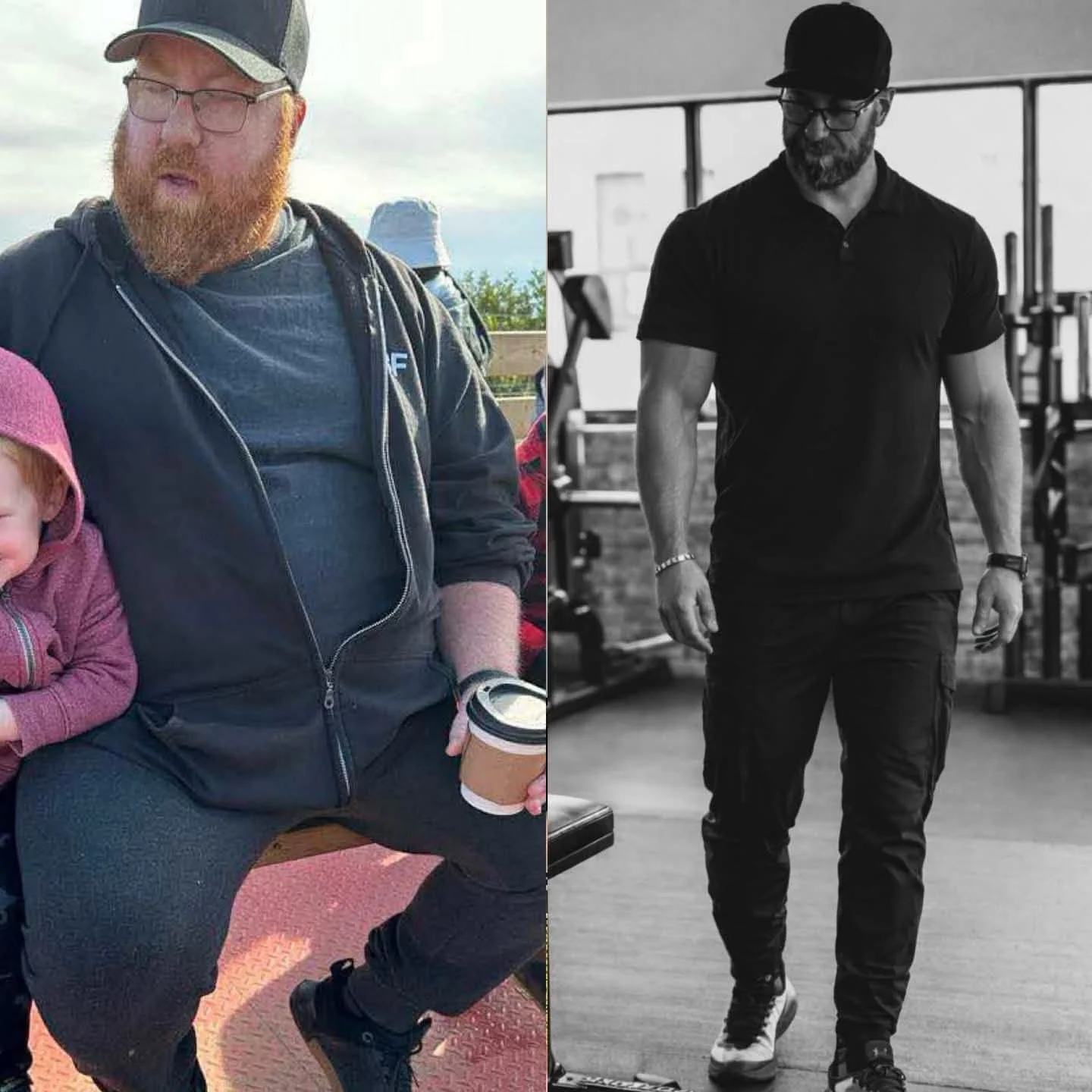
If you want a results-focused plan instead of guessing how to combine classes, cardio, lifting, and nutrition, OBF Gyms helps downtown Toronto professionals build strength, improve body composition, and track progress with a clear system that fits a busy schedule.
 The 3 training mistakes